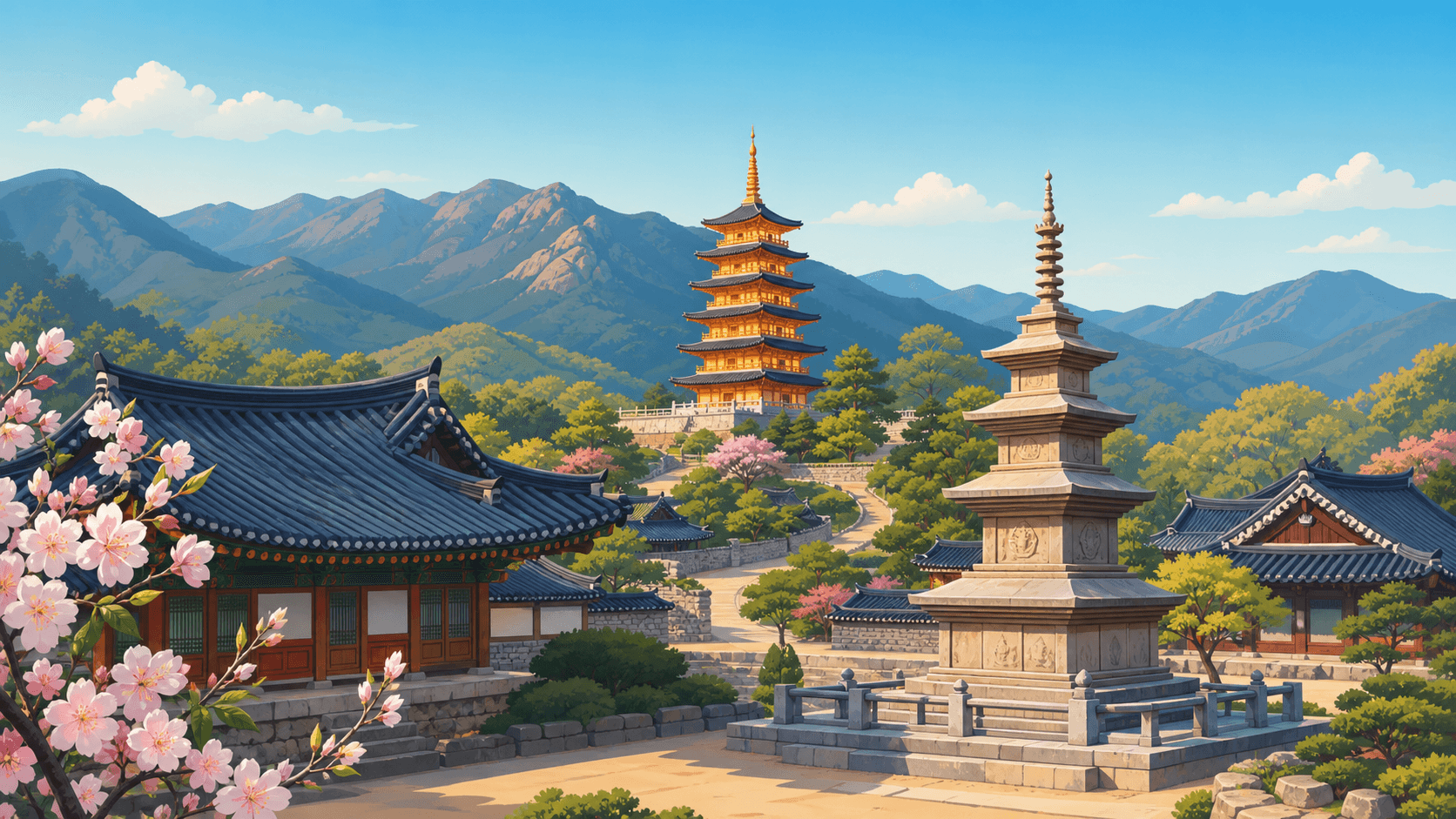
Quick answer: Gimcheon is a practical stop for travelers who want a quieter side of Korea between Seoul and Busan. Pair a quick gimbap meal in the city center with the Jikjisa Temple area, where a historic Buddhist temple, landscaped parks and small museums sit close together. Allow at least half a day; a full day is more comfortable if you are arriving by KTX.
Best for: temple walks, gardens and a low-key regional day trip
Suggested time: 5–7 hours
Main transport hub: Gimcheon-Gumi KTX Station
Planning note: the KTX station, downtown and Jikjisa area are separate, so expect to use buses or taxis.
Last verified: August 2026
Why spend time in Gimcheon?
Many visitors pass Gimcheon on the high-speed rail line without leaving the station. The city is worth a stop if you prefer uncrowded cultural sites to a packed checklist. Its strongest visitor area is around Jikjisa, where several attractions can be combined on foot once you arrive.
Gimcheon is also attracting attention for its gimbap culture and local food events. Treat the meal as the beginning of the trip rather than the entire reason to visit: eat downtown, then continue to the temple and park district.
1. Walk through Jikjisa Temple
Jikjisa (직지사) stands on the slopes of Hwangaksan Mountain and contains traditional halls, stone monuments and Buddhist artworks. The grounds suit travelers who want a calm cultural stop without committing to a difficult mountain hike. Plan about 60–90 minutes for an unhurried walk.
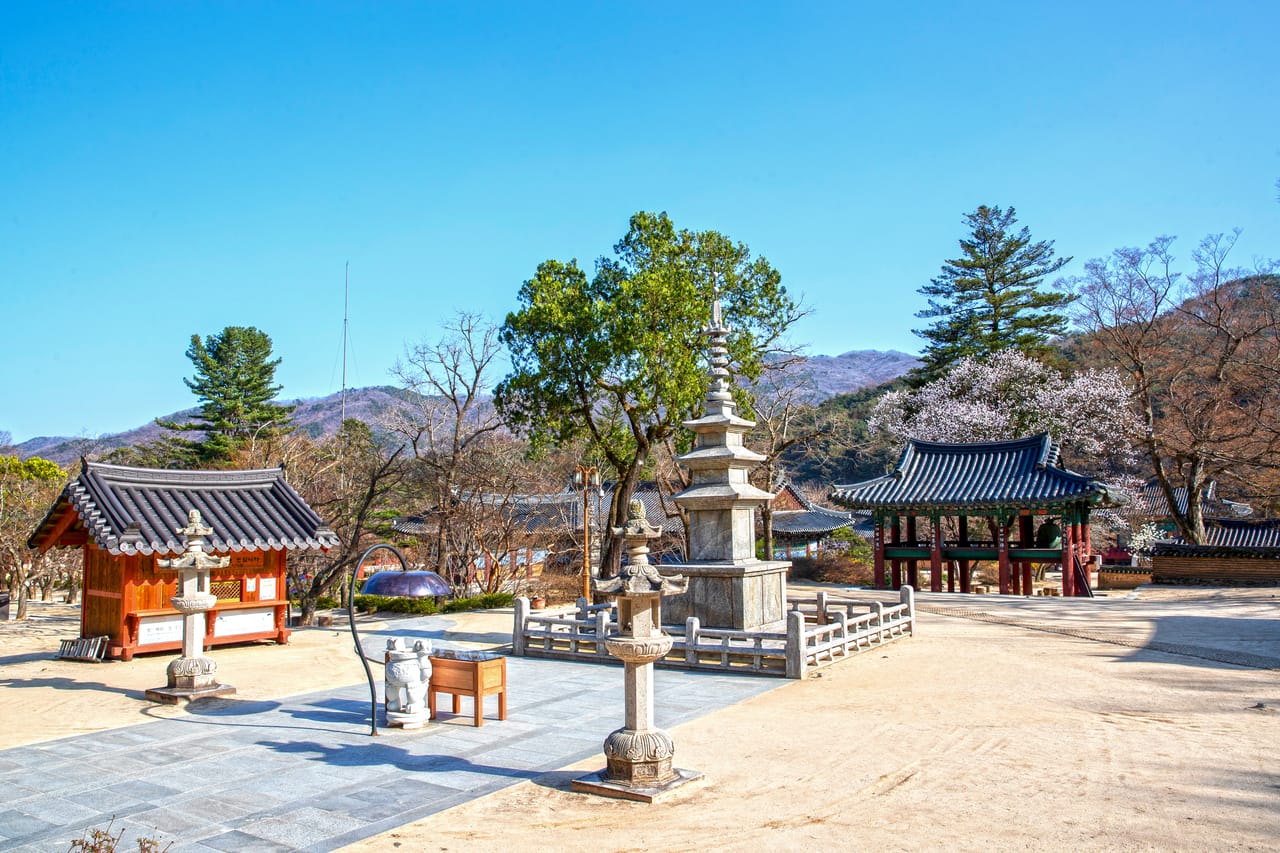
The temple is generally accessible throughout the day, but individual halls and programs can follow separate schedules. Dress respectfully, keep voices low around worship spaces and check the official temple information before making a special trip for a program.
2. Slow down at Saimyeongdaesa Park
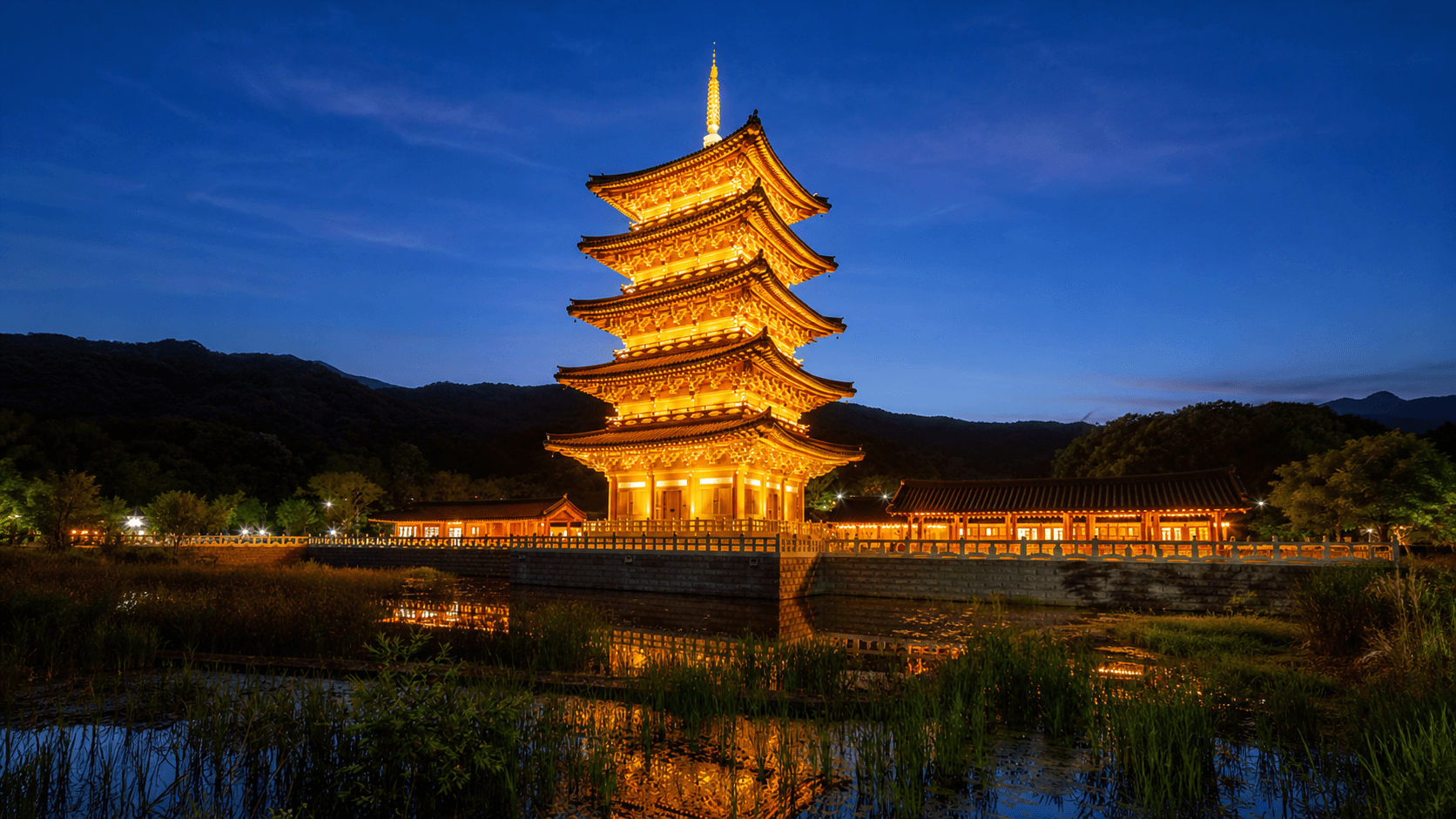
Saimyeongdaesa Park (사명대사공원) connects the temple district with hanok-style buildings, walking paths and the five-story Peace Pagoda. The outdoor areas are the easiest part of the district to enjoy without a reservation. The Health Culture Center offers scheduled experiences, while the hanok accommodation operates separately.
This is the best place for a break after the temple. The large pagoda, pond reflections and traditional roofs make the park especially photogenic in soft morning or late-afternoon light.
3. Add one small museum or garden
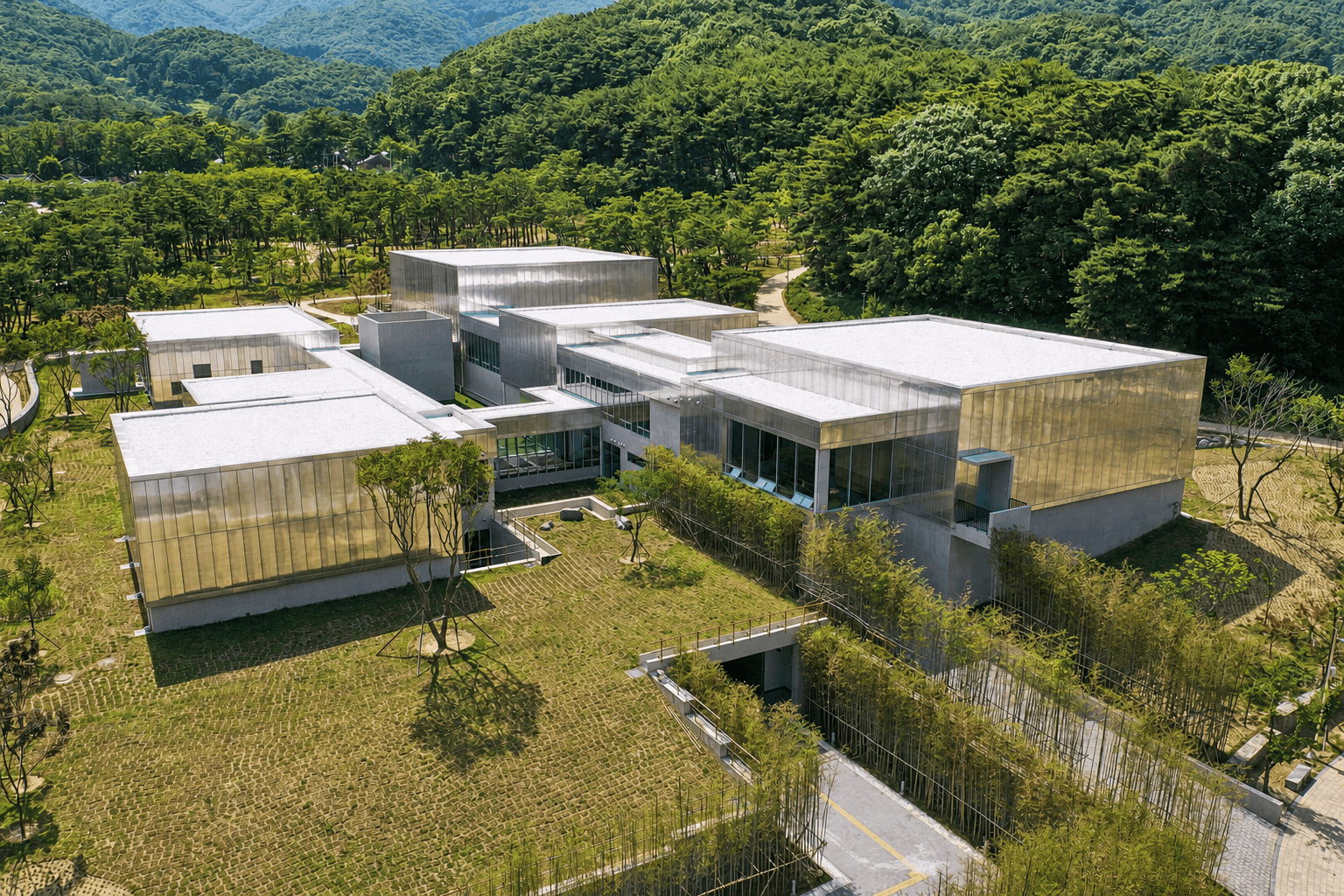
The Gimcheon City Museum is inside the same visitor district and gives useful context for the city. The published visitor information lists 09:00–18:00 hours, with closure on Mondays, January 1 and major holiday dates; general admission is listed at ₩1,000. Schedules can change, so confirm on the day.
Travelers who prefer an outdoor break can choose Jikji Culture Park or the nearby eco park instead. The cactus greenhouse and lawns are a practical option for families, but Monday closures apply to some indoor facilities.
A realistic Gimcheon plan
If you have about four hours
Travel directly from the station to Jikjisa, walk through the temple, then cross into Saimyeongdaesa Park. This version works best if the restaurant visit is saved for before departure.
If you have a full day
Start with gimbap downtown, continue by taxi or bus to Jikjisa, then visit the park and one museum. Leave buffer time for the return trip to Gimcheon-Gumi Station; it is not in central Gimcheon.
How to get around
- From Seoul: KTX services reach Gimcheon-Gumi Station, but schedules vary by train.
- To downtown: use a local bus or taxi for the gimbap stop.
- To Jikjisa: the temple district is outside the center. A taxi is the simplest option when time is limited.
- Map tip: keep the Korean names 직지사 and 사명대사공원 ready for local map apps or a taxi driver.
Before you go
- Wear shoes suitable for stone paths and gradual slopes.
- Check museum and experience schedules, especially on Mondays.
- Spring blossoms and autumn foliage are attractive but bring more visitors.
- Do not assume every attraction is next to the KTX station.
- Allow extra transfer time before your return train.
Is Gimcheon right for your trip?
Choose Gimcheon if you want a slower regional stop built around a temple, gardens and one memorable local meal. It is less suitable for travelers who want nightlife or many attractions within a single downtown district. With realistic transport planning, Jikjisa and Saimyeongdaesa Park make a satisfying half-day pair.
FAQ
Can I visit Gimcheon as a day trip from Seoul?
Yes. KTX makes a day trip possible, but local transfers mean you should select only one main area rather than trying to cover the entire city.
Do I need a car?
No, but taxis make the station–downtown–Jikjisa route much easier. Public buses are better for travelers with flexible schedules.
How long should I spend near Jikjisa?
Allow two to three hours for the temple and Saimyeongdaesa Park, plus more time for a museum, café or meal.
1 thought on “Gimcheon Beyond Gimbap: Temples, Parks and an Easy Day Trip”