Plan your Eonyang day
- Eonyang Bulgogi: what makes it different and what to order
- Eonyang Amethyst Cavern Park: what to expect before you go
- Eonyang from KTX Ulsan Station: a simple half-day plan
- Eonyangeupseong Fortress: a short old-town walk
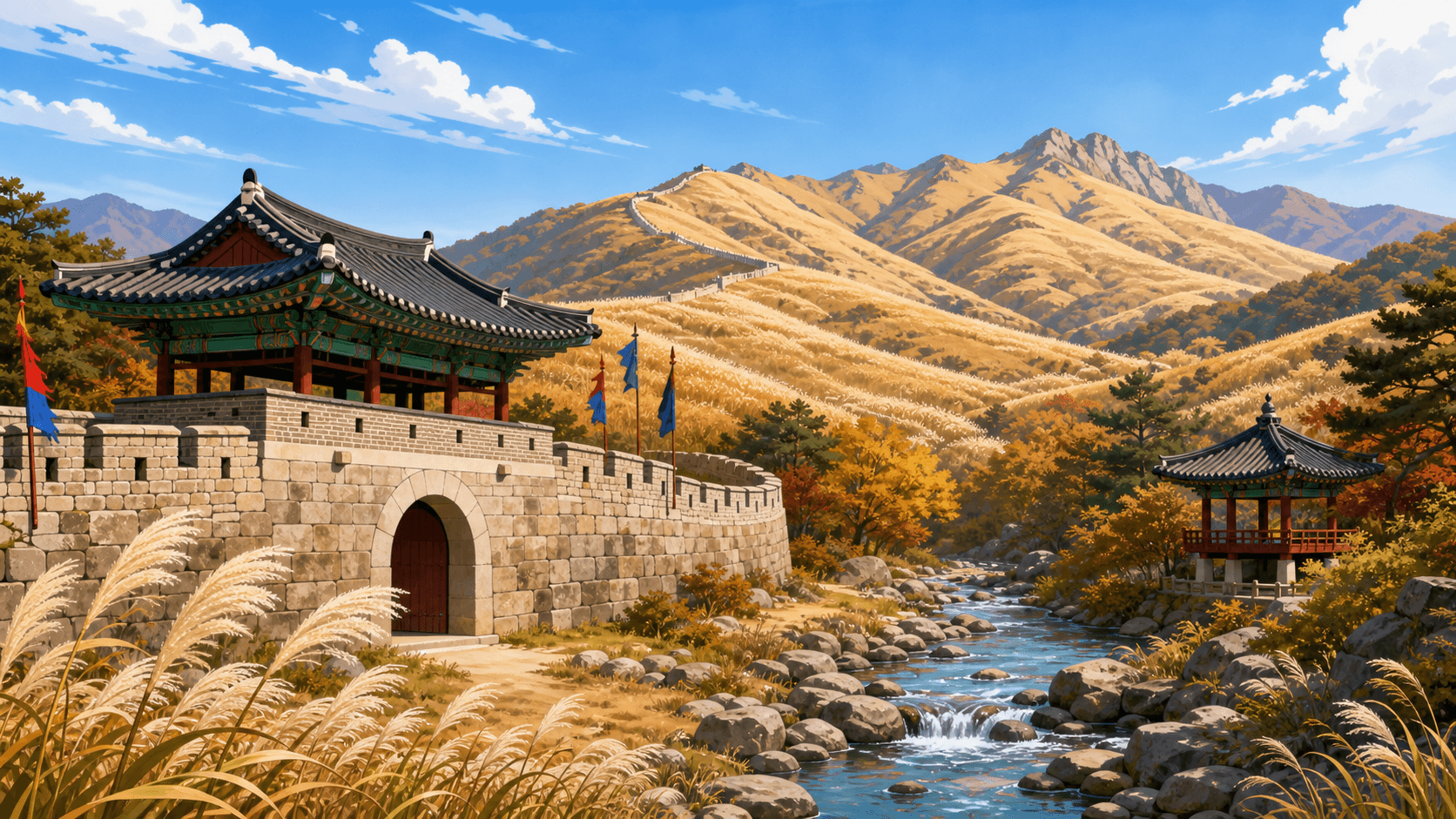
Quick answer: Eonyang is more than a stop for grilled beef. This small town on the western side of Ulsan combines the remains of a Joseon-era walled town with riverside scenery and access to the Yeongnam Alps. Spend half a day around the town center, or make it a full day by adding Jakcheonjeong Pavilion or a mountain-area stop.
Best for: local history, relaxed walks and a regional food trip
Suggested time: 4–7 hours
Main transport hub: Ulsan KTX Station
Planning note: Eonyang town is near the station area, but the mountain attractions are spread out.
Last checked: September 10, 2026
Plan Eonyang around three decisions
Choose whether your priority is Eonyang bulgogi, the old walled town, or a wider Ulju outing such as the Amethyst Cavern Park. The first two work well together on foot and by short taxi ride; rural and mountain stops need more time and transport planning.
Why visit Eonyang before your meal?
Eonyang is a useful base for exploring western Ulsan. The town itself is compact enough for a short historical walk, while the surrounding Ulju countryside opens toward the Yeongnam Alps. This makes it easy to combine culture, scenery and an Eonyang bulgogi meal without crossing central Ulsan.
The trade-off is transport. The historic center is manageable, but Jakcheonjeong, the mountain valleys and other rural attractions are not all within walking distance. Travelers without a car should choose two or three stops and use taxis strategically.
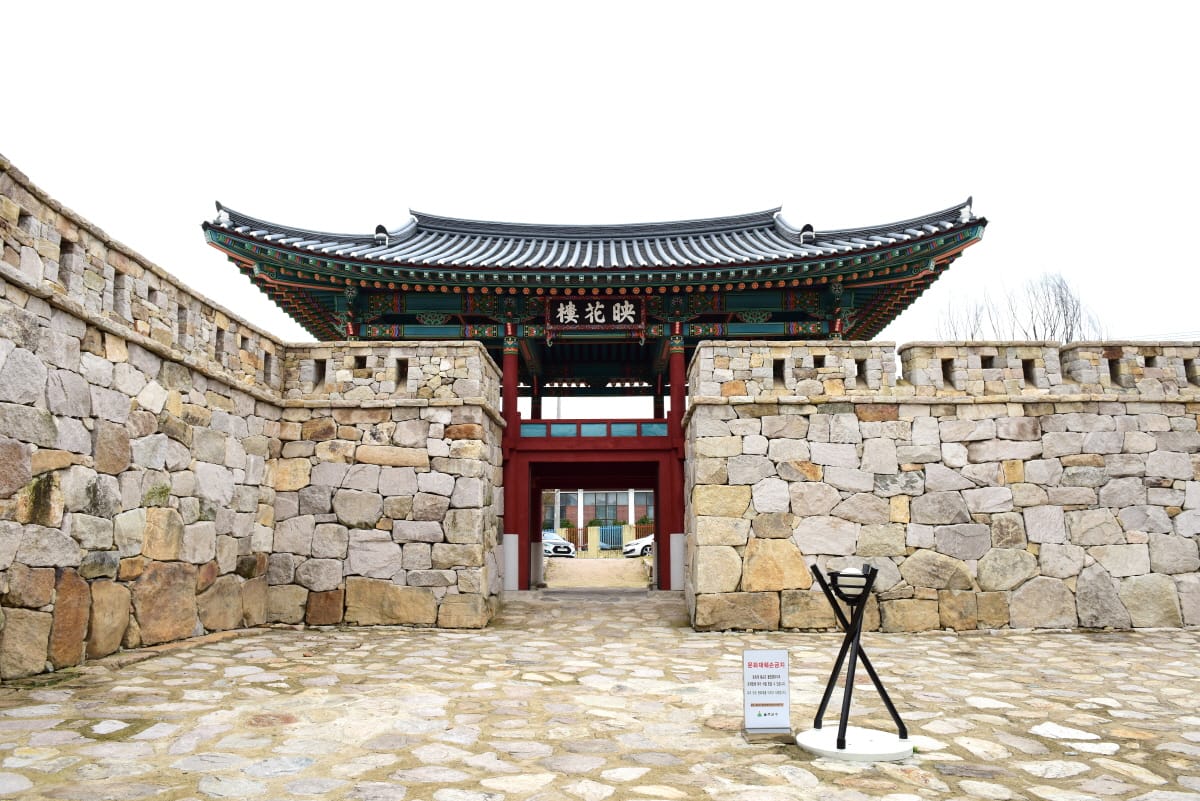
1. Walk the remains of Eonyangeupseong Walled Town
Eonyangeupseong (언양읍성) was first established with earthen defenses in 1390 and rebuilt as a larger stone fortress in 1500. The surviving and restored sections help visitors understand how a Joseon-period administrative town was organized on flat land.
This is not a fully enclosed castle with a long paid circuit. Think of it as an open historical landscape that works best as a 30–45 minute walk. The official address is 55-8 Seongan 2-gil, Eonyang-eup, Ulju-gun.
2. See the local market streets
The streets around Eonyang’s traditional market show the everyday side of the town. Market activity varies by day and time, so do not plan the entire trip around a specific stall. Instead, use the area for a short walk before lunch, checking seasonal produce, snacks and small local shops.
Bring cash as a backup and keep passages clear for working vendors. If you are visiting only for bulgogi, the market and fortress area make the easiest low-effort combination.
3. Take a riverside break at Jakcheonjeong Pavilion
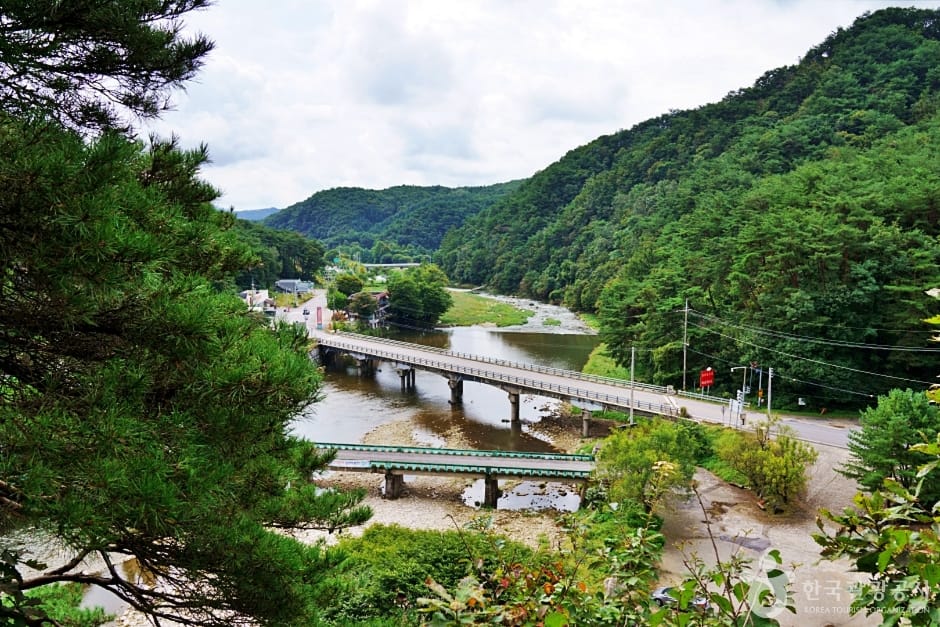
Jakcheonjeong (작천정) is a pavilion beside a rocky stream, known for carved-looking channels in the stone and a shaded valley setting. It is a pleasant seasonal stop, especially when the weather is mild. Water levels and safe walking conditions change after heavy rain, so stay on established paths.
4. Choose a Yeongnam Alps experience
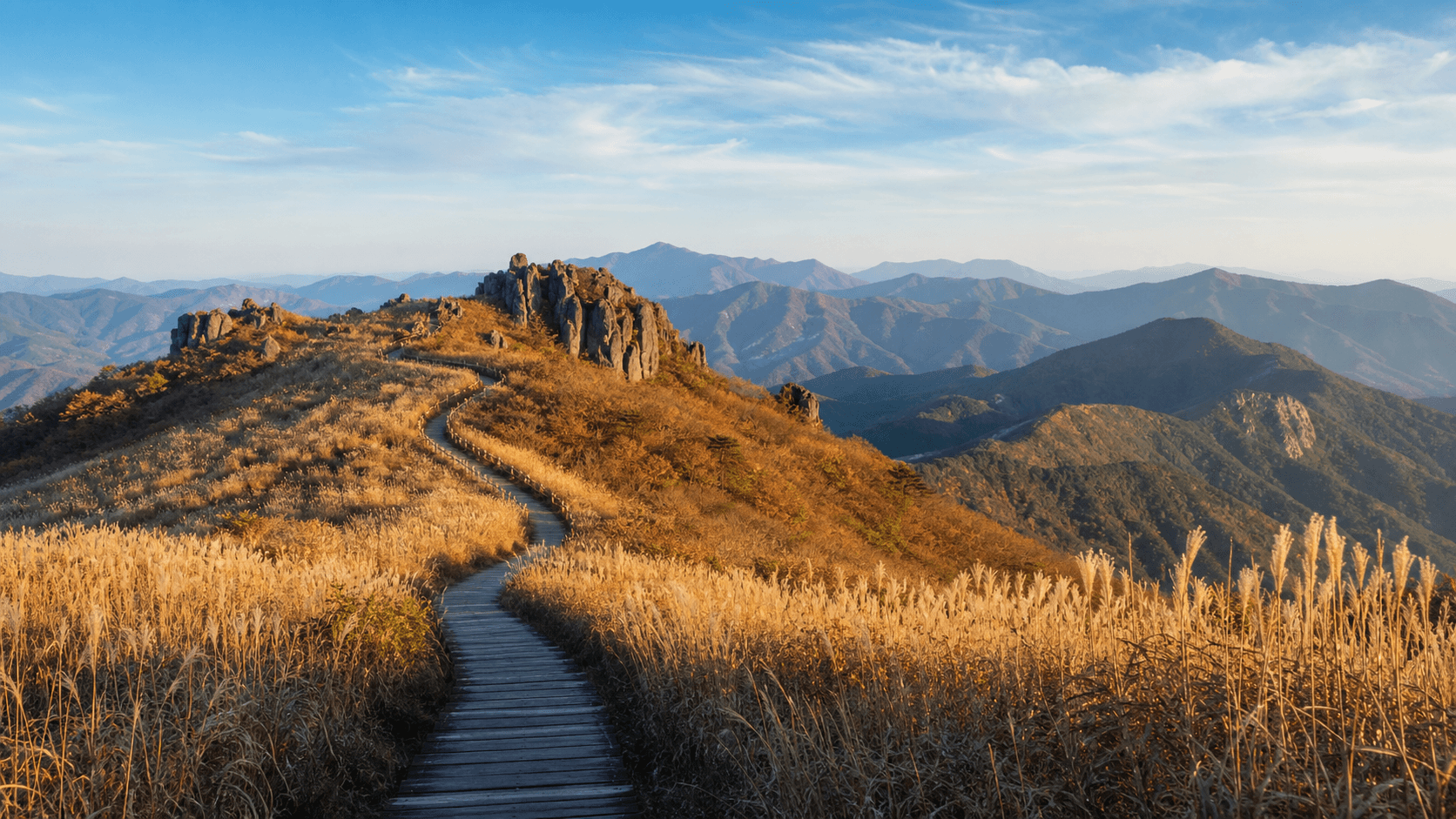
The mountains around Eonyang form part of the Yeongnam Alps, a group of peaks reaching above 1,000 meters. Serious hikes require proper route research, suitable footwear and enough daylight. Do not treat a mountain trail as a quick extension of lunch.
Travelers who want scenery without a major hike can focus on the lower valleys or a café with open mountain views. Ganwoljae is well known for its silver-grass landscape, but reaching it still involves hiking and seasonal conditions.
Choose your Eonyang plan
Two to three hours
Walk around Eonyangeupseong and the nearby market streets, then have an Eonyang bulgogi meal. This is the most reliable plan for travelers using public transport.
Half a day
Add Jakcheonjeong before or after lunch. A taxi reduces transfer time and avoids complicated rural bus connections.
Full day
Combine the town center with one properly planned Yeongnam Alps hike or scenic valley. Start early and keep the meal flexible rather than racing back from the trail.
How to get there and around
- From Seoul: take KTX toward Ulsan Station, then continue by local bus or taxi.
- Station warning: Ulsan KTX Station is inland near Eonyang, not in central Ulsan.
- For the historic center: taxis are straightforward and the Korean name 언양읍성 is useful.
- For rural stops: check the return route before leaving town; bus intervals may be long.
Practical tips
- Wear comfortable shoes for uneven fortress and stream-side surfaces.
- Avoid rocky water edges during or immediately after heavy rain.
- Start mountain walks early and check weather alerts.
- Reserve extra time on weekends when restaurants may be busy.
- Use Korean map apps for more complete local bus and walking information.
Is Eonyang worth adding to your itinerary?
Eonyang works best for travelers who want their food trip to include one genuine regional landscape or historical stop. Choose the fortress and market for an easy visit, or add Jakcheonjeong for a slower half day. The wider mountain area deserves separate planning rather than an improvised detour.
FAQ
Is Eonyang in central Ulsan?
No. It is in Ulju County on the western side of the metropolitan area, close to Ulsan KTX Station.
Can I explore without a car?
Yes, if you focus on the town center and use taxis for one additional stop. Covering several mountain attractions by bus is much slower.
How much time do I need?
Allow at least three hours for the fortress, market and meal. Set aside most of a day if you add a valley or mountain route.
Official source and last checked
Ulsan Tour: Historical Tour and Eonyangeupseong information
Last checked: September 10, 2026. Transport, local operating information and trail conditions can change. Confirm the live route before leaving Ulsan KTX Station.