Quick Answer
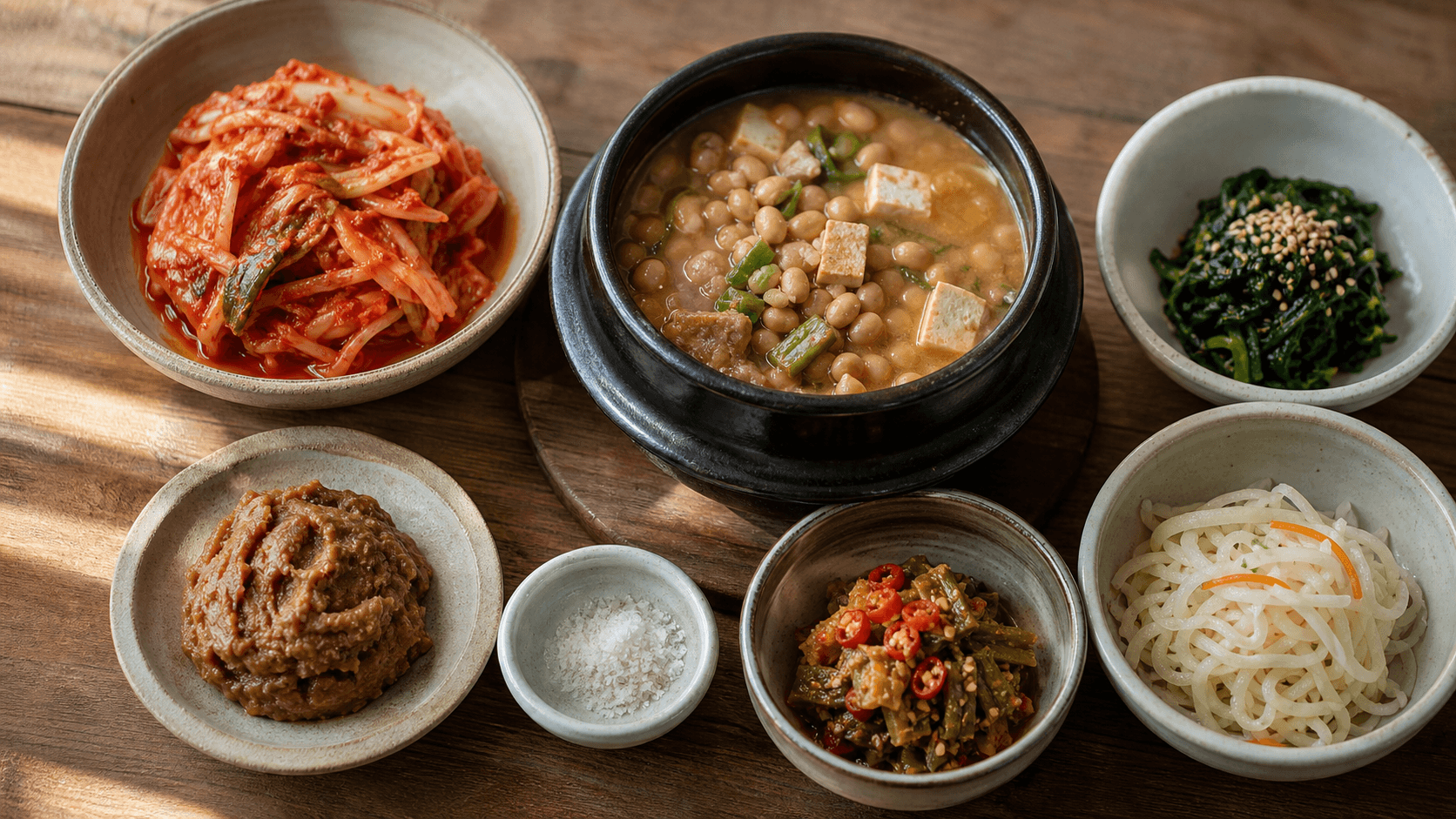
Kimchi, doenjang and cheonggukjang are three Korean staples often chosen for a fermentation-forward meal. Pair a modest serving with vegetables, whole grains and protein rather than treating one food as a standalone solution. In Korea, they are easiest to try in a home-style restaurant, market meal or supermarket.
Best first choices: fresh kimchi, doenjang soup and a small bowl of cheonggukjang.
Food-science focus: lactic-acid fermentation, Bacillus fermentation, organic acids, dietary fiber and bioactive peptides.
Shopping tip: look for refrigerated kimchi; doenjang and cheonggukjang are usually sold in tubs or pouches.
Why Korean fermentation is worth understanding
Korean tables commonly combine rice, vegetables, soup and small fermented side dishes. That pattern matters: fermentation changes flavor and texture, while the full meal can add carbohydrates, protein and plant fiber. Kimchi fermentation is commonly associated with lactic-acid bacteria, while soybean foods such as doenjang and cheonggukjang use different fermentation processes and microbial communities.
In food-science terms, fermentation can generate organic acids and smaller peptide fragments, and it can change how certain soybean compounds are present in the finished food. These details explain why the foods taste sharply different, not why they should be treated as medicine.
| Food | What to notice | Easy first order |
|---|---|---|
| Kimchi | Lactic-acid fermentation, cabbage fiber, chili and garlic | Small side dish with rice or grilled fish |
| Doenjang | Fermented soybean paste; savory peptides and isoflavone-derived compounds | Doenjang-jjigae soybean-paste stew |
| Cheonggukjang | Fast-fermented soybeans, often linked with Bacillus fermentation | Cheonggukjang-jjigae, a strong-smelling stew |
Three practical ways to eat them in Korea
1. Start with a familiar dish
Order bibimbap or a grilled set meal, then taste the kimchi as a side dish. This is gentler than making a large fermented dish the entire meal.
2. Choose doenjang-jjigae for a warm lunch
This everyday stew is usually served with rice and side dishes. It gives visitors a useful introduction to Korean soybean paste without needing a specialist restaurant.
3. Try cheonggukjang when you want the bold version
Cheonggukjang has a notably intense aroma. It is best approached as a regional, home-style flavor rather than a challenge to finish.
Build a Korean fermentation-friendly pantry
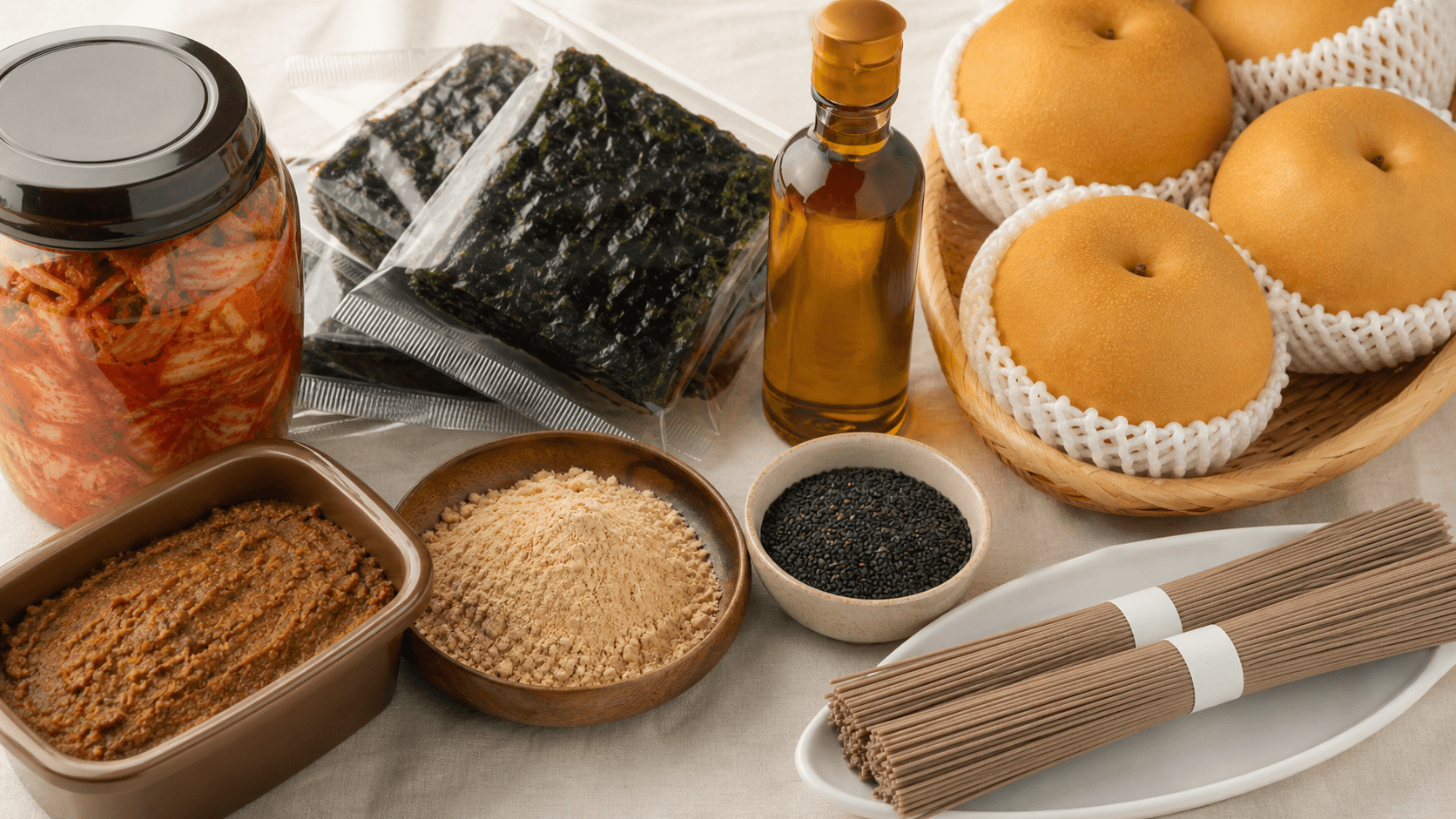
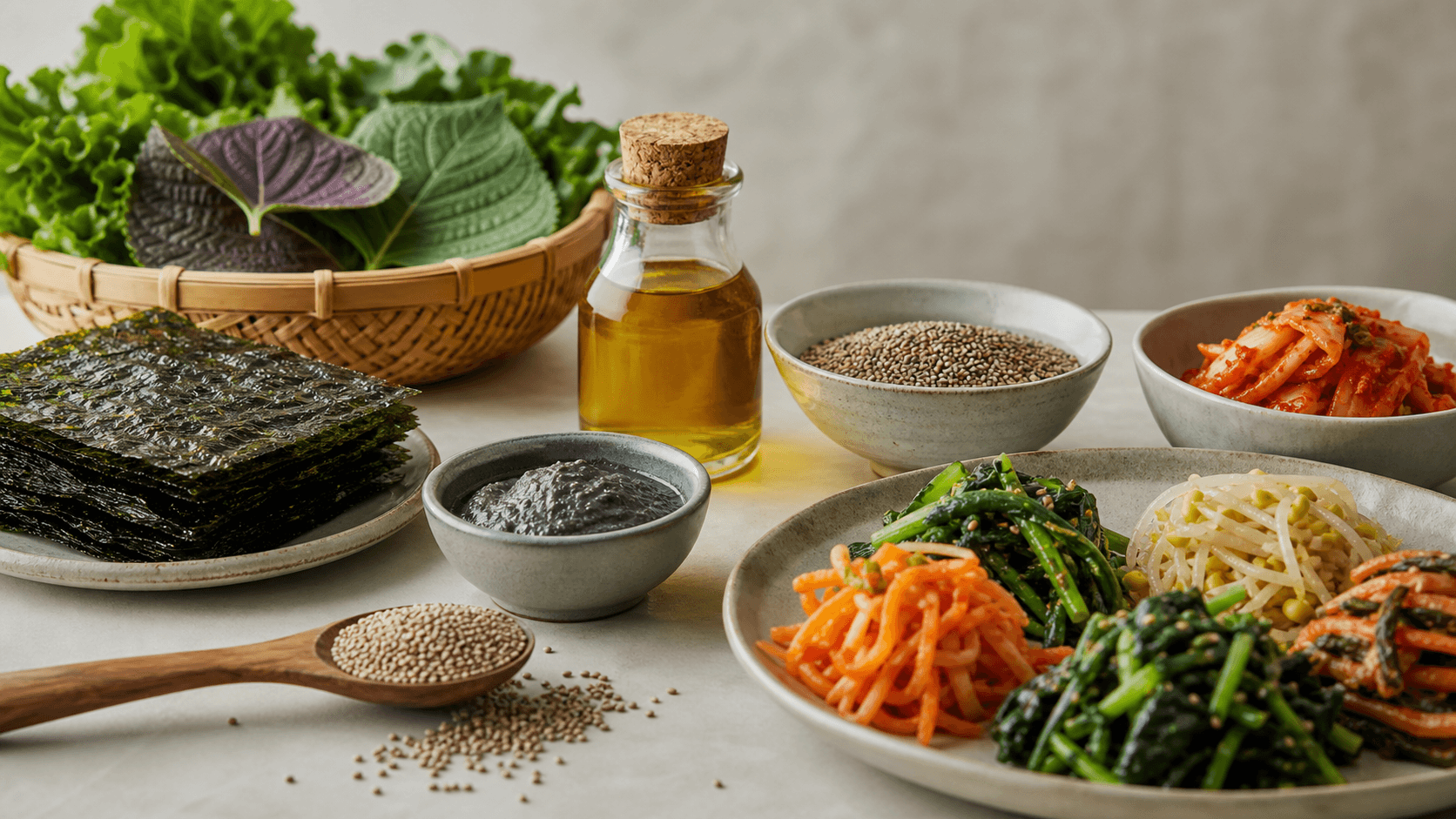
For a food souvenir or self-catering stay, choose shelf-stable doenjang first. Add seaweed, barley tea or sesame products from our Korean gifts shopping guide. For more Korean food ideas, see our upcoming guides to everyday energy foods and a healthy Korean pantry.
Sources
Food-science background: PubMed review of kimchi and fermented Korean foods; systematic review of kimchi research. Last reviewed: August 27, 2026.