Quick answer: The most straightforward DMZ visit from Seoul is Paju’s designated DMZ Peace Tour route from Imjingak. Reach Imjingak independently, but treat the restricted-area visit as a controlled tour: bring the original passport used for travel, check the live reservation or ticket process, and keep the day flexible because security, weather or safety conditions can change access without much warning.
First decide: what kind of DMZ day do you want?
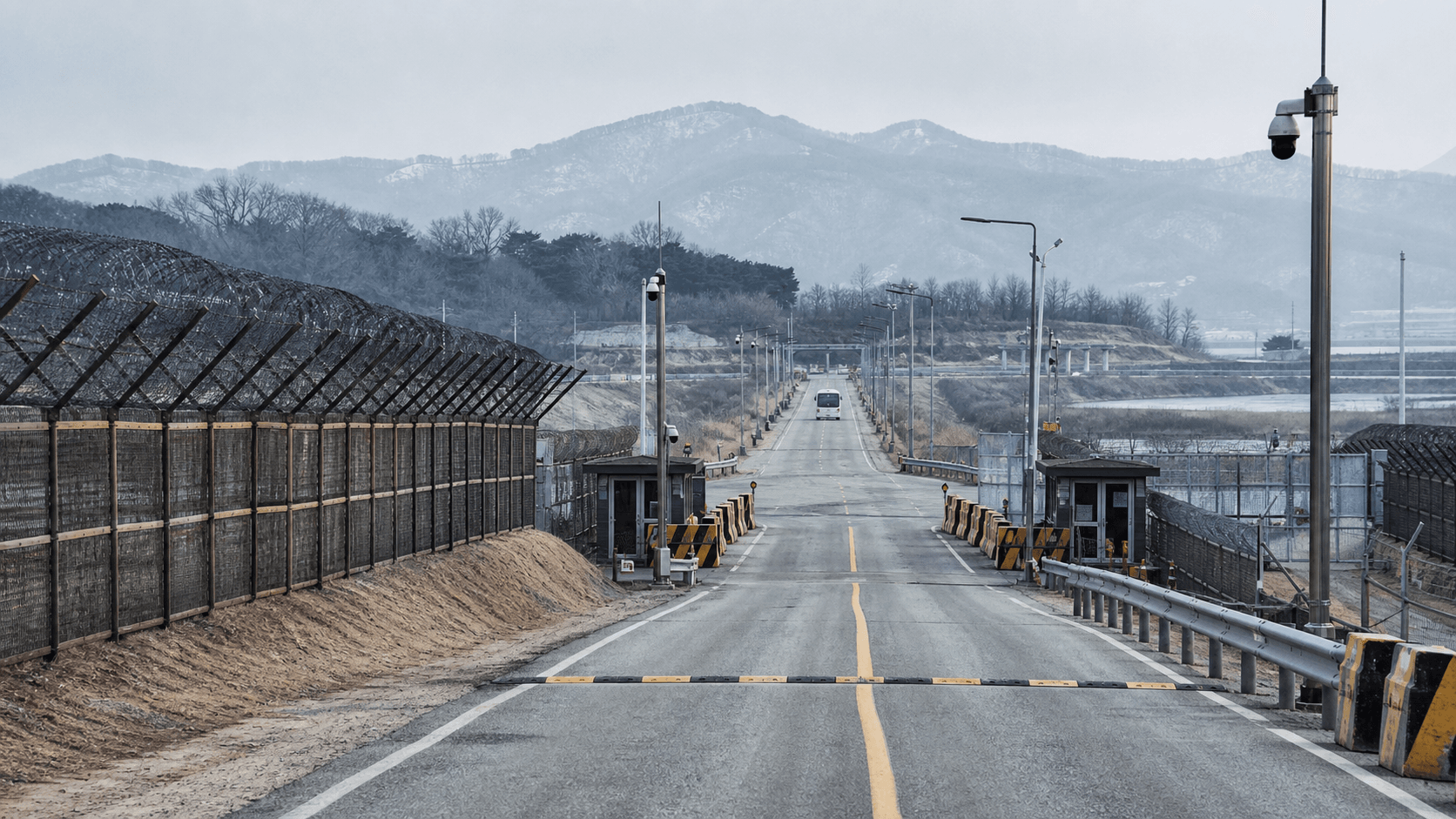
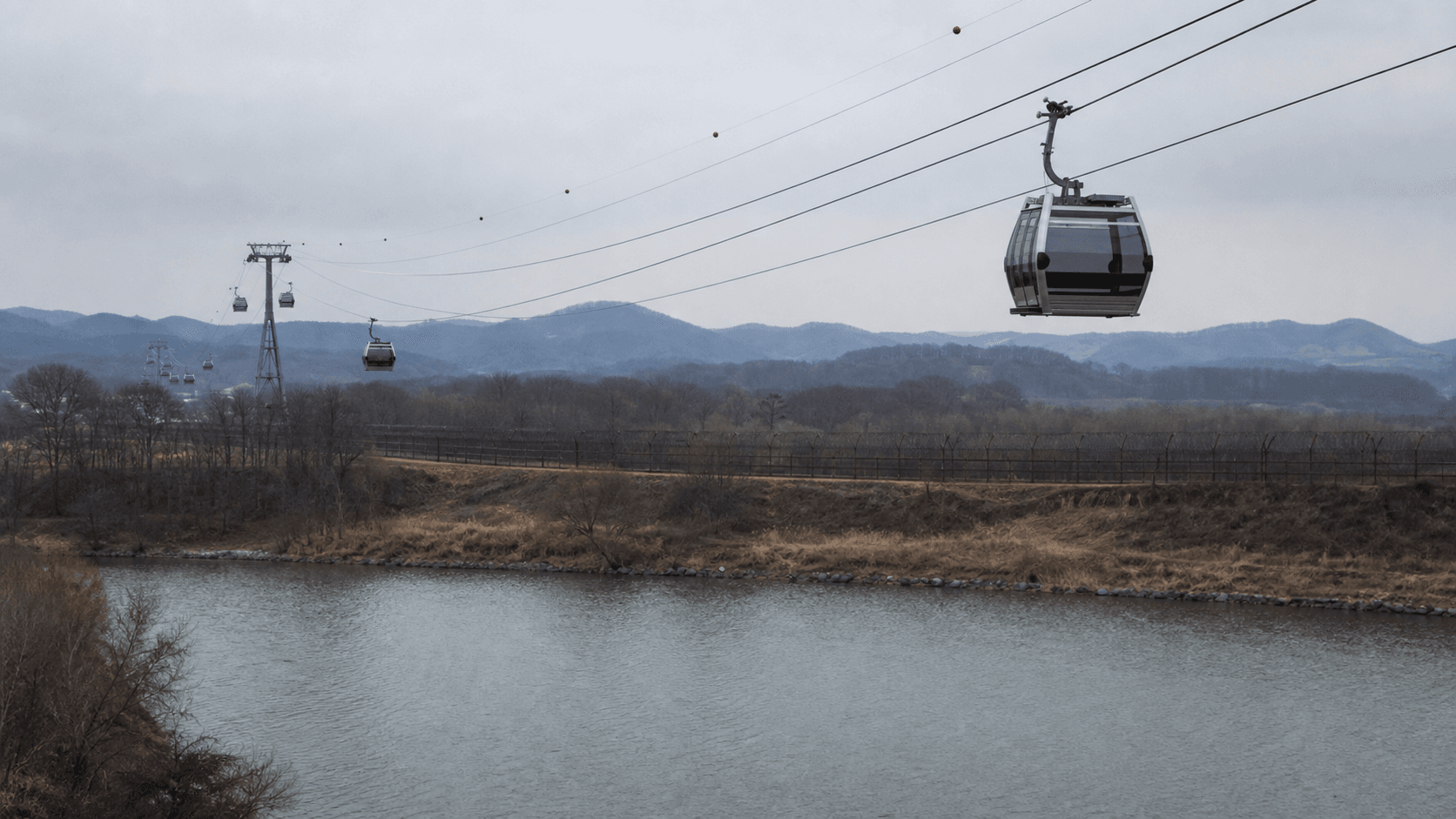
“Visit the DMZ” can mean two very different days. Imjingak is an accessible public visitor area near the border, with memorials, views and the Peace Gondola. The official Paju DMZ Peace Tour is the controlled route that can include the Third Tunnel and Dora Observatory. Reaching Imjingak on your own is possible; entering the restricted tour route is not something to improvise.
For a clear first introduction to the border
Start with: Paju DMZ Peace Tour from Imjingak. Expect a designated route, identity checks and a structured visit that may include the Third Tunnel and Dora Observatory.
For a flexible half-day without a restricted-area commitment
Start with: Imjingak Peace Park and nearby attractions. This is a public-area visit with more freedom, but it does not give the same access as the official DMZ tour route.
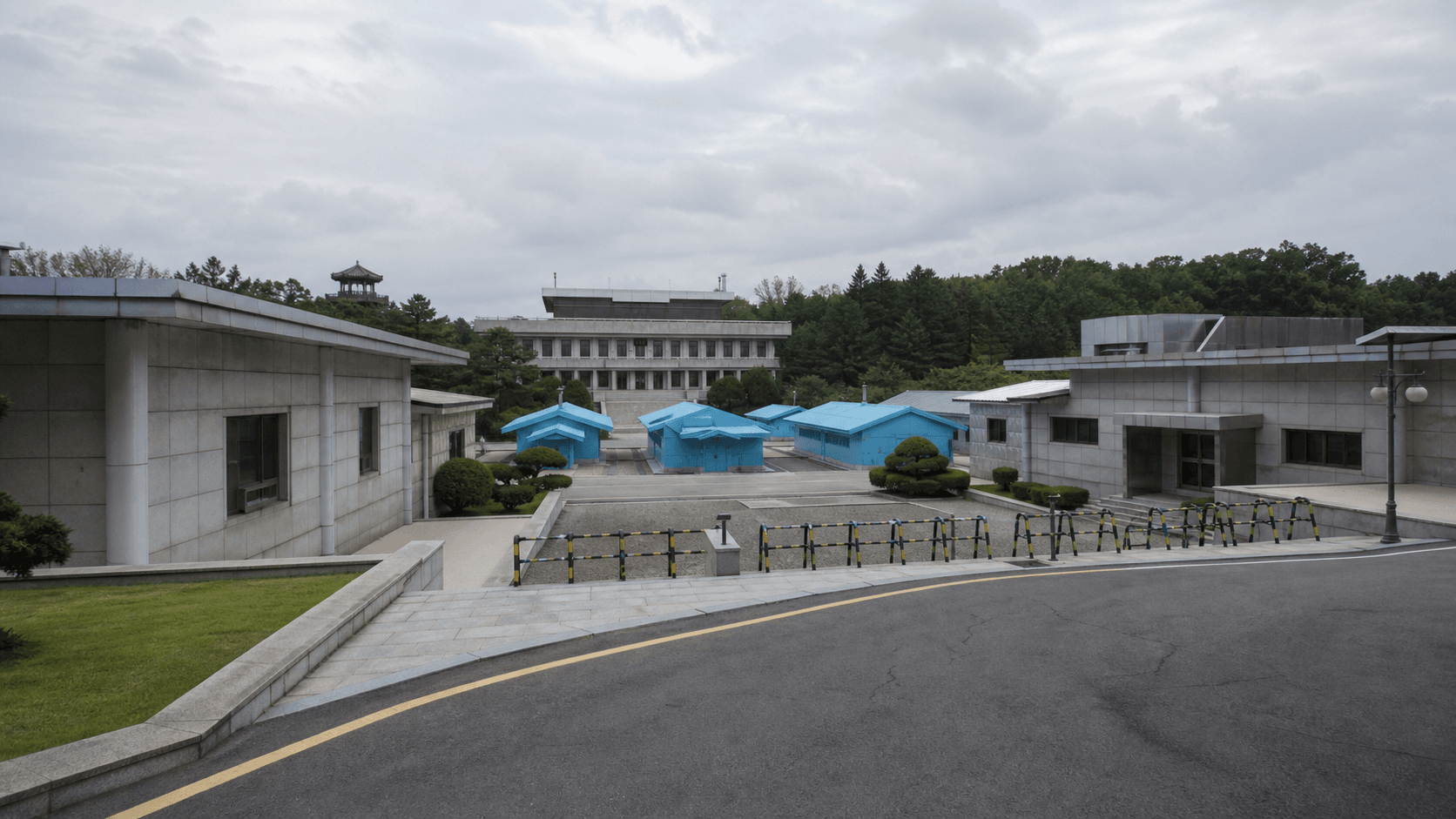
For Panmunjeom / JSA specifically
Start with: A separately arranged designated tour. Rules, availability and eligibility differ; do not assume a Paju DMZ booking includes the JSA.
Choose the DMZ page that matches your day
- You want the standard controlled Paju visit: stay on this guide for reservations, passport checks, the Third Tunnel and Dora Observatory.
- You mainly want to know how close visitors can get to North Korea: read How Close Can You Get to North Korea? before choosing a route.
- You want a flexible public-area half day: use our Imjingak, Peace Gondola and DMZ Views guide.
- You are asking about Panmunjeom itself: check whether the JSA is open and how its separate access rules work.
Can you visit Paju DMZ without a tour?
You can travel to Imjingak independently. That is useful for visitors who want the park, the Bridge of Freedom area, a museum stop or the Peace Gondola. For the controlled Paju route beyond the civilian-control line, follow the official DMZ Peace Tour process rather than treating the border as a self-guided attraction.
This distinction matters because the restricted route can be changed or suspended for security, weather or safety reasons. Paju’s official visitor notice also requires identification from every visitor before entry. A plan that works only if one specific session runs is a fragile Seoul itinerary.
How to reserve and plan the official Paju DMZ Peace Tour
- Start with the official Paju booking information. Check the live date, course, meeting or ticket instructions, and current availability. Do not rely on a copied timetable or an old social-media post.
- Use the same name and document details as your travel ID. Errors can be difficult to fix close to departure.
- Build a buffer before the session. You may need time to reach Imjingak, find the correct desk and complete identity checks.
- Recheck on the morning of travel. Access conditions can change. Save the official page and your booking details offline.
Begin with Paju City’s DMZ Peace Tourism information and follow its current reservation link. Official schedules, routes, pricing and ticket rules are the only details that should decide a fixed-date visit.
Bring the original passport, not a photo
For foreign visitors, bring the physical, unexpired passport you used for travel. Paju’s official guidance lists passports, Alien Registration Cards and US military ID as accepted identification for foreign visitors; it also warns that visitors without identification cannot enter. A phone photo, screenshot or expired document is not a substitute.
- Keep your passport accessible, not buried at the bottom of a suitcase.
- Make sure every person in your group has their own original document.
- Arrive together when the official process requires the group to be present.
- Follow staff instructions on photography and movement inside controlled areas.
What you may see: Third Tunnel and Dora Observatory
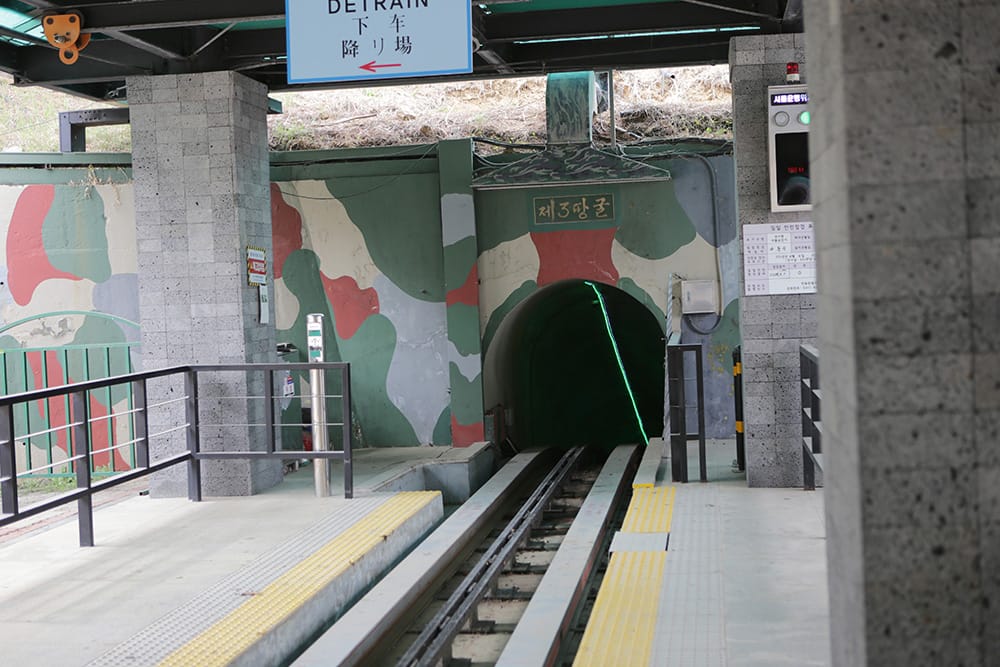
The Third Tunnel
The Third Tunnel is often the most memorable and most physically demanding part of the Paju route. The descent involves a narrow, steep environment, so it is not a casual stroll. Wear shoes with grip, avoid carrying unnecessary bags and make a realistic decision if you have mobility, breathing or claustrophobia concerns. If the session offers more than one access option, confirm the practical difference before joining the queue.
Dora Observatory
Dora Observatory is about orientation rather than a guaranteed dramatic view. Visibility depends on weather and conditions. The value is understanding the geography of the border from a controlled viewpoint, not promising that every visitor will see a particular landmark or activity across the line.
How to get to Imjingak from Seoul
Use Imjingak (임진각) as the destination in a Korean map app. The final route depends on your Seoul starting point, departure time and the official session you are trying to reach. Rail toward Imjingang Station can be useful, but the last segment still requires time for walking, a local shuttle or a taxi. A taxi can make sense for groups or travellers protecting a booked time slot.
Do not choose your transport from a generic “Seoul to DMZ” travel-time promise. Check the live route on the day, then aim to arrive early rather than designing a connection that only works if every train and transfer is perfect.
When a Seoul-based tour can be easier
A tour departing central Seoul can be a better choice when you want transport and timing handled as one package, especially for a short visit or a first trip to Korea. The trade-off is less flexibility and a longer overall day. An Imjingak-based official route can be appealing when you are comfortable arranging your own journey to Paju and want the direct local process.
Compare what a tour actually includes: departure point, restricted-area access, stop list, meal or shopping stops, cancellation conditions and the exact identification requirement. The word “DMZ tour” alone does not guarantee the same itinerary.
JSA is different from Paju DMZ Peace Tourism
Panmunjeom, also called the Joint Security Area or JSA, has separate access rules. VisitKorea states that individual visits are not permitted and that tours must be arranged in advance through a designated operator. Availability can change independently of Paju’s tour route. Read our current JSA guide before treating it as part of a Paju plan.
Practical rules that prevent a ruined day
- Do not book a non-refundable evening plan immediately after the DMZ. A schedule change can ripple through the whole day.
- Pack light. You will move through checks, buses, galleries and potentially a tunnel.
- Take photography restrictions seriously. Rules can differ by location and current conditions.
- Use the official route. Never try to approach fences, checkpoints or restricted areas independently.
- Have a backup Paju plan. Imjingak, the Peace Gondola and the wider Paju area can still make the trip worthwhile when a restricted route changes.
Is a Paju DMZ visit worth it?
Yes, when you want a structured explanation of the Korean division and can accept the limits that come with a controlled border zone. It is less suitable when you need a fully flexible day, guaranteed scenery or an activity that everyone in the group can complete at the same pace. The right expectation is a managed historical and security visit, not an ordinary scenic outing.
For a flexible alternative centered on public-area attractions, see Imjingak, Peace Gondola and DMZ views from Seoul.
FAQ
Do I need a passport for the Paju DMZ?
Foreign visitors should bring an original, valid passport. Paju’s official guidance also lists Alien Registration Cards and US military ID for foreign visitors. Do not rely on a photo or screenshot.
Can I go to the DMZ from Seoul without joining a tour?
You can reach Imjingak independently. The restricted Paju route follows a designated official process, so check the live Paju DMZ Peace Tour instructions for the date you want.
Can Paju DMZ tours be cancelled?
Yes. Security, weather and safety conditions can restrict or stop the program. Recheck official status on the morning of travel and keep a backup plan.
Does a Paju DMZ tour include the JSA?
Do not assume so. JSA visits are governed by separate arrangements and access rules.
Official sources and last checked
Last checked: September 4, 2026. Routes, reservations, identification rules, access and operating conditions can change. Confirm the official Paju information before you leave Seoul.